By Dr. Emily Johnson · Published September 13, 2025 · 10 min read
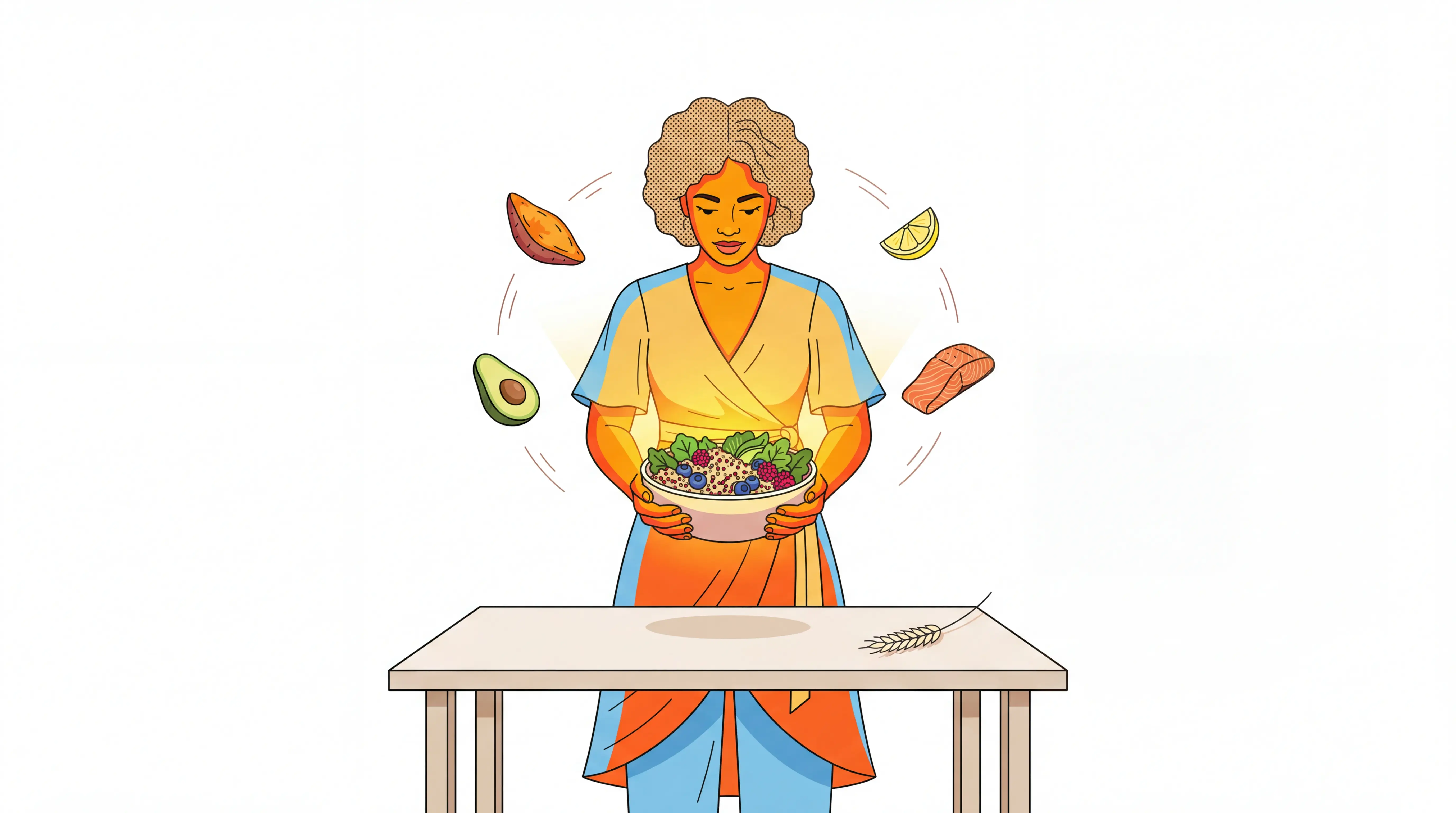
A gluten-free meal plan removes all sources of gluten — the protein found in wheat, barley, and rye — from your daily eating. For the estimated 1% of the population with celiac disease, this is a lifelong medical necessity. For those with non-celiac gluten sensitivity, it can resolve persistent bloating, fatigue, and digestive discomfort. And for anyone wanting to build a diet around whole, minimally processed foods, a structured gluten-free week of eating is a practical starting point.
This guide gives you a complete 7-day gluten-free meal plan, a clear foods list, practical meal prep strategies, and the nutritional context you need to follow the plan without developing deficiencies.
Medical Disclaimer
This article is for informational purposes only and does not constitute medical advice. If you have celiac disease, non-celiac gluten sensitivity, or any other medical condition, consult a registered dietitian or healthcare professional before changing your diet.
What Is Gluten and Who Needs to Avoid It?
Gluten is a family of proteins found in wheat (including spelt, kamut, and farro), barley, rye, and — through cross-contamination — most conventional oats. In the majority of people, gluten causes no harm. But for those with celiac disease, gluten triggers an autoimmune response that damages the villi lining the small intestine, impairing nutrient absorption and causing symptoms that range from chronic diarrhea and abdominal pain to fatigue, anemia, and bone loss.
According to the Celiac Disease Foundation, the only current treatment for celiac disease is strict, lifelong adherence to a gluten-free diet. Even small amounts of cross-contamination can sustain intestinal damage. Beyond celiac disease, researchers estimate that 0.5–13% of people experience non-celiac gluten sensitivity — real digestive and systemic symptoms triggered by gluten, without the autoimmune intestinal damage.
A well-designed gluten-free meal plan ensures you eliminate all gluten sources while preserving your intake of fiber, B vitamins, and iron — nutrients commonly supplied by fortified wheat products.
Gluten-Free Foods: What to Eat and What to Avoid
The majority of whole, unprocessed foods are naturally gluten-free. The challenge lies with processed and packaged foods, where gluten can appear under many different names on an ingredient list.
What You Can Eat
- Grains and starches: rice (all varieties), quinoa, corn and polenta, millet, buckwheat, potatoes, sweet potatoes, cassava, tapioca
- Proteins: all unprocessed meats, poultry, and seafood; eggs; legumes (beans, lentils, chickpeas); tofu and tempeh made without wheat
- Dairy: milk, plain yogurt, cheese, butter, cream
- Fruits and vegetables: all fresh, frozen, or canned varieties without added sauces or seasonings
- Fats and oils: olive oil, coconut oil, avocado, all plain nuts and seeds
Gluten-Free Swaps for Common Problem Foods
| Category | Contains Gluten | Gluten-Free Alternative |
|---|---|---|
| Bread & wraps | Wheat bread, flour tortillas, pita | GF bread, corn tortillas, lettuce wraps, rice paper |
| Pasta | Regular wheat pasta | Rice pasta, quinoa pasta, chickpea pasta, zucchini noodles |
| Breakfast cereals | Wheat cereals, conventional granola | Certified GF oats, rice-based cereals, millet porridge |
| Sauces & condiments | Soy sauce, malt vinegar, flour-thickened gravies | Tamari, coconut aminos, rice vinegar, cornstarch-thickened sauces |
| Beer & malt drinks | Regular beer, malt beverages | Wine, distilled spirits, cider, certified GF beer |
| Crackers & snacks | Regular crackers, pretzels, cookies | Rice crackers, popcorn, GF pretzels, fruit and nut bars |
Gluten also hides under unfamiliar names: "wheat starch," "malt extract," "hydrolyzed wheat protein," and "modified food starch" (when the grain source is unspecified). For a thorough breakdown of how to decode ingredient lists, our guide on how to read nutrition labels covers exactly what to look for.
Complete 7-Day Gluten-Free Meal Plan
This plan is built around naturally gluten-free whole foods. Each day provides approximately 1,600–1,800 calories with a balanced macro split. Adjust portion sizes up or down to match your individual calorie target.
Day 1 — Monday
Breakfast: Greek yogurt with mixed berries, a drizzle of honey, and chopped walnuts (330 kcal)
Lunch: Large salad with grilled chicken, avocado, cucumber, cherry tomatoes, olive oil and lemon dressing (450 kcal)
Dinner: Baked salmon with roasted sweet potatoes and steamed broccoli (520 kcal)
Snack: Apple with almond butter (200 kcal)
Day 2 — Tuesday
Breakfast: Scrambled eggs with sautéed spinach and cherry tomatoes, served with corn tortillas (340 kcal)
Lunch: Lentil soup with a side of steamed rice and chopped cucumber salad (430 kcal)
Dinner: Ground beef and rice stuffed bell peppers baked in tomato sauce (510 kcal)
Snack: A handful of mixed nuts (180 kcal)
Day 3 — Wednesday
Breakfast: Certified gluten-free oatmeal with banana, chia seeds, and almond milk (360 kcal)
Lunch: Tuna salad lettuce wraps with avocado, red onion, capers, and lemon juice (380 kcal)
Dinner: Stir-fried tofu with rice noodles, bok choy, garlic, and tamari sauce (480 kcal)
Snack: Carrot and celery sticks with hummus (160 kcal)
Day 4 — Thursday
Breakfast: Smoothie with frozen mango, spinach, certified GF protein powder, and coconut milk (340 kcal)
Lunch: Quinoa bowl with roasted chickpeas, cucumber, tomatoes, olives, and tahini dressing (460 kcal)
Dinner: Roasted chicken thighs with mashed potatoes and roasted green beans (530 kcal)
Snack: Rice cakes with mashed avocado and a squeeze of lemon (180 kcal)
Day 5 — Friday
Breakfast: Fried eggs on corn tortillas with black beans and fresh tomato salsa (350 kcal)
Lunch: Leftover roast chicken with quinoa and steamed mixed vegetables (420 kcal)
Dinner: Garlic shrimp with roasted zucchini, cherry tomatoes, and herbed rice (490 kcal)
Snack: Sliced pear with a small piece of aged cheddar (180 kcal)
Day 6 — Saturday
Breakfast: Buckwheat pancakes with fresh berries and pure maple syrup (400 kcal)
Lunch: Tomato gazpacho with gluten-free crackers and a green salad (350 kcal)
Dinner: Slow-cooker beef stew with potatoes, carrots, and celery — thickened with cornstarch, not flour (550 kcal)
Snack: A square of dark chocolate (70%+ cocoa) with a banana (190 kcal)
Day 7 — Sunday
Breakfast: Veggie frittata with eggs, bell peppers, onion, zucchini, and goat cheese (380 kcal)
Lunch: Corn tortilla tacos with seasoned ground turkey, shredded cabbage, pico de gallo, and lime (440 kcal)
Dinner: Baked cod with herbed quinoa and roasted asparagus (490 kcal)
Snack: Plain popcorn with olive oil and fresh herbs (150 kcal)
Weekly Grocery List
Proteins: chicken thighs, salmon fillet, ground beef, ground turkey, canned tuna, shrimp, cod, eggs, Greek yogurt, firm tofu
Grains: certified GF oats, white and brown rice, quinoa, buckwheat flour, corn tortillas, rice cakes, rice noodles, GF crackers
Produce: spinach, bell peppers, broccoli, sweet potatoes, zucchini, bok choy, asparagus, green beans, cherry tomatoes, cucumber, carrots, avocados, mixed berries, banana, pear, apple, mango, lemon
Pantry staples: tamari, olive oil, coconut milk, almond butter, tahini, canned chickpeas, canned lentils, canned black beans, hummus, mixed nuts, chia seeds, dark chocolate, cornstarch
Gluten-Free Meal Prep Tips
Meal prepping for the week reduces the risk of accidental gluten exposure and removes the daily pressure of finding safe options on short notice.
Cross-contamination is a significant concern for people with celiac disease. A 2021 review in Nutrients found that even trace gluten exposure — as little as 10 mg per day — can sustain intestinal inflammation in celiac patients. A shared toaster, a colander used for regular pasta, or bulk-bin oats are all common sources. Dedicated kitchen tools are not a preference in this context — they are a clinical requirement.
Nutritional Gaps to Watch On a Gluten-Free Diet
Eliminating wheat-based foods also eliminates a primary delivery vehicle for several key nutrients, most of which are added to fortified flour. Being aware of these gaps helps you build a plan that is genuinely complete.
| Nutrient | Why It's at Risk | Best Gluten-Free Sources |
|---|---|---|
| Dietary fiber | Many GF breads and pasta are low in fiber | Legumes, vegetables, certified GF oats, chia seeds, flaxseed |
| Iron | Wheat flour is routinely iron-fortified | Lean red meat, lentils, spinach, pumpkin seeds, tofu |
| B vitamins (B1, B2, folate) | Fortified wheat products are a major source | Eggs, legumes, quinoa, GF fortified cereals, sunflower seeds |
| Calcium | Some dairy substitutes are not calcium-fortified | Dairy, fortified plant milks, leafy greens, canned sardines |
| Zinc | Whole wheat provides significant zinc | Meat, shellfish, pumpkin seeds, hemp seeds, lentils |
For a broader perspective on eating patterns that minimize deficiencies while supporting weight management, our guide on the anti-inflammatory diet for weight loss covers many of the same whole-food principles that naturally overlap with a well-constructed gluten-free plan.
To maximize fiber on a gluten-free diet, our high-fiber foods list highlights many naturally gluten-free options that help hit your daily targets.
Tracking Nutrition on a Gluten-Free Diet
Removing gluten is the first step — ensuring you replace what you've taken out is the second, and often more difficult, step. Gluten-free swaps can significantly alter the calorie, fiber, and macro content of familiar meals. A GF bread slice may have half the fiber of its whole-wheat counterpart. A rice pasta dish can deliver more starch and fewer micronutrients than a traditional whole-grain version.
Tracking your meals for the first few weeks of a gluten-free plan is one of the most practical ways to identify nutritional gaps before they become deficiencies. If you want to see exactly how your gluten-free meals compare to your targets, try Caloria — photograph your plate and get an instant calorie and macro breakdown without manually entering every ingredient.
Frequently Asked Questions
What can I eat on a gluten-free meal plan?
You can eat all naturally gluten-free whole foods: rice, quinoa, potatoes, corn, fresh fruits, vegetables, eggs, unprocessed meats, seafood, legumes, dairy, nuts, and seeds. Focus on whole foods over packaged gluten-free substitutes, which are often lower in fiber and higher in refined starch.
Is a gluten-free diet healthy for people without celiac disease?
A well-planned gluten-free diet is nutritionally complete but offers no proven health or weight-loss benefit for people without celiac disease or gluten sensitivity. According to the Mayo Clinic, many people who adopt gluten-free eating simply end up consuming more whole foods by default — it is this shift, not gluten elimination itself, that drives any improvement.
How do I start a gluten-free meal plan?
Clear wheat, barley, rye, and unverified oats from your kitchen first. Restock with whole grains like rice, quinoa, and certified gluten-free oats. Build every meal from a protein source, a naturally gluten-free starch, and at least one vegetable. Check labels on all packaged foods — even ones you would never expect to contain gluten.
Can I lose weight on a gluten-free meal plan?
Yes, but the weight loss comes from choosing whole foods and reducing processed food intake — not from avoiding gluten itself. If weight loss is your primary goal, pair a gluten-free approach with a calorie target. Our 7-day weight loss diet plan provides a calorie-controlled structure you can adapt to gluten-free eating.
What hidden foods contain gluten?
Soy sauce (use tamari), malt vinegar, beer, some salad dressings, stock cubes, spice mixes, processed deli meats, imitation crab, and many candies all commonly contain gluten. The safest rule: if you did not cook it from scratch using known ingredients, check the label.
Start Tracking Smarter
A gluten-free meal plan removes one dietary element — but what you replace it with determines whether you thrive or struggle with deficiencies. Ensuring adequate fiber, B vitamins, iron, and calcium while staying within your calorie goals requires consistent tracking, especially in the first weeks of the transition.
Download Caloria and track every gluten-free meal effortlessly — just photograph your plate for an instant calorie and macro breakdown.