By Dr. Sarah Kim · Published October 7, 2024 · 6 min read
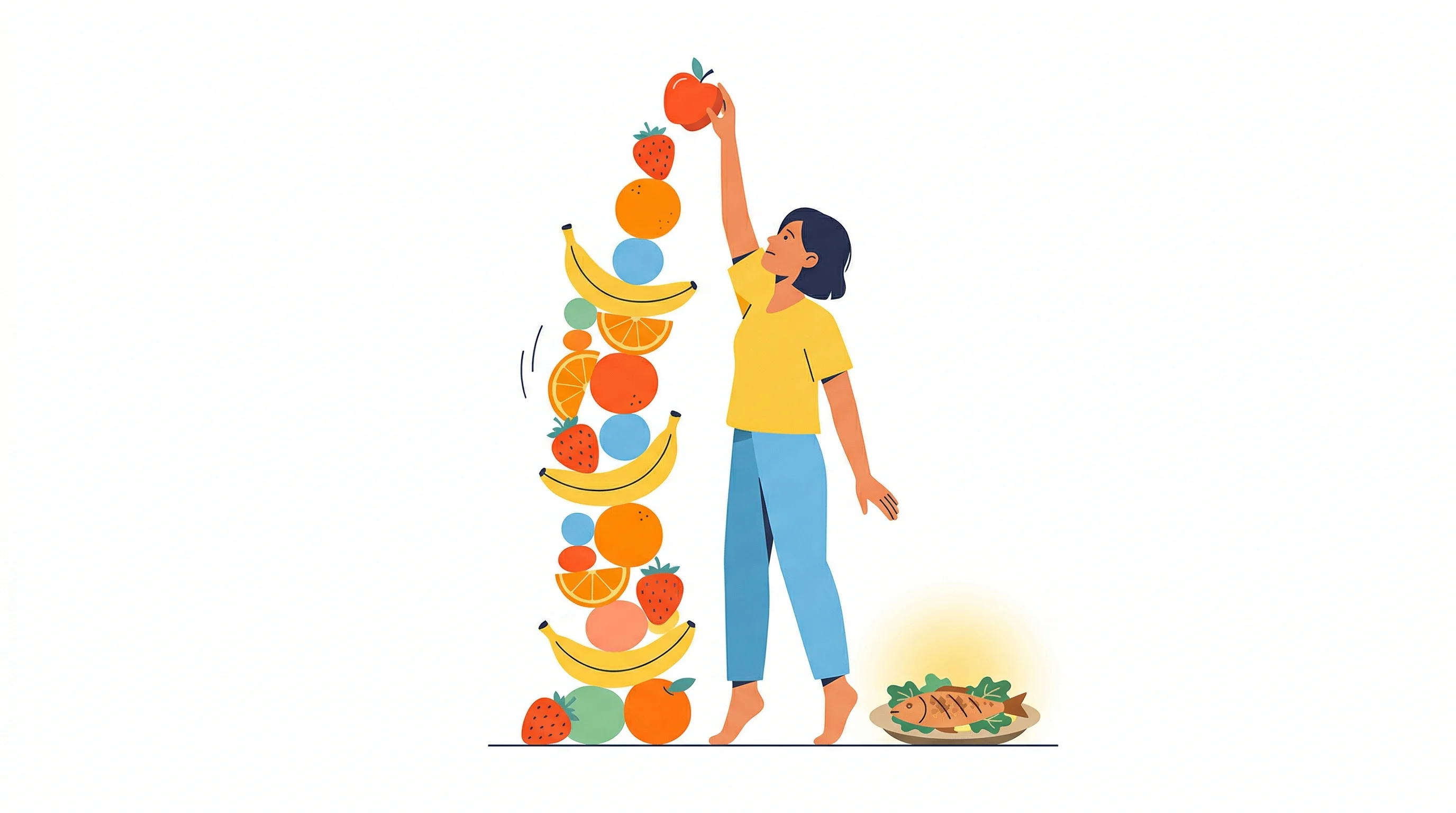
A fruit diet for weight loss in 7 days is one of the most searched quick-fix plans online. The idea sounds appealing: eat nature's candy for a week, flood your body with vitamins, and watch the scale drop. But does it actually work, and more importantly, is it safe?
The short answer is that while you will probably lose weight on a fruit-only diet, most of that loss is water — not fat. And the nutritional trade-offs can do more harm than good. Here is what the science actually shows.
What a 7-Day Fruit Diet Looks Like
Most versions of the fruit diet fall into two categories:
- Fruit-only (fruitarian): You eat nothing but raw fruit for seven days, sometimes allowing nuts or seeds.
- Fruit-forward: You build meals around fruit but include vegetables, lean protein, and small amounts of healthy fat.
The fruit-only approach typically provides 900 to 1,200 calories per day with almost zero protein and fat. The fruit-forward approach is closer to a balanced plan with a calorie deficit — and it is the only version supported by evidence.
Medical Disclaimer
This article is for informational purposes only. Consult a healthcare professional before starting any restrictive diet, especially if you have diabetes, kidney disease, or a history of disordered eating.
Does It Actually Cause Fat Loss?
A calorie deficit causes fat loss, regardless of the food source. Since most fruit is low in calories and high in water, eating only fruit almost guarantees a large deficit. But there are critical caveats.
A 2019 systematic review in Frontiers in Nutrition found that increasing whole fruit intake promotes weight maintenance or modest weight loss over 3 to 24 weeks. However, the studies involved adding fruit to a balanced diet — not replacing all other foods with fruit.
When you eliminate protein and fat entirely:
- Muscle loss accelerates. Without adequate protein (at least 1.2 g per kg of body weight), your body breaks down muscle for amino acids.
- Metabolic rate drops. Losing muscle means burning fewer calories at rest, setting you up for rapid regain.
- Blood sugar spikes and crashes. Fruit is rich in fructose and glucose. Without fat or protein to slow absorption, you may experience energy swings throughout the day.
Most of the dramatic 5-to-7-pound drops people report in the first week come from glycogen and water depletion, not fat. Once you return to normal eating, that weight returns within days.
Best Fruits for a Weight-Loss Plan
If you want to include more fruit in a healthy weight-loss strategy, choose options that are high in fiber and water and lower in sugar.
| Fruit (1 cup) | Calories | Fiber | Sugar |
|---|---|---|---|
| Strawberries | 49 kcal | 3 g | 7 g |
| Watermelon | 46 kcal | 0.6 g | 9 g |
| Grapefruit | 74 kcal | 2.5 g | 16 g |
| Blueberries | 84 kcal | 3.6 g | 15 g |
| Apple (medium) | 95 kcal | 4.4 g | 19 g |
| Banana (medium) | 105 kcal | 3.1 g | 14 g |
| Mango | 99 kcal | 2.6 g | 23 g |
| Grapes | 104 kcal | 1.4 g | 23 g |
Berries stand out as the best option: low in calories, high in fiber, and packed with antioxidants. A 2010 study published in Nutrition found that fruit consumption was independently associated with lower BMI in overweight dieters — but the effect was strongest when fruit supplemented a balanced diet, not when it replaced one.
The Real Risks of Going Fruit-Only
Going fruit-only for a full week creates several nutritional gaps:
- Near-zero protein — muscle loss, weakened immune function, and poor satiety
- Minimal healthy fat — impaired hormone production and reduced absorption of fat-soluble vitamins (A, D, E, K)
- Missing nutrients — no vitamin B12, very little iron, zinc, or omega-3 fatty acids
- Excessive fructose — large amounts of fructose without fiber from other food sources can stress the liver and cause digestive discomfort
People with diabetes or insulin resistance should be especially cautious. A sudden spike in fruit intake can destabilize blood sugar, even though fruit has a lower glycemic index than processed sugar. And anyone with kidney conditions should avoid high-potassium fruits like bananas and oranges in large quantities.
A Smarter Approach: Fruit-Forward, Not Fruit-Only
Instead of an extreme fruit-only week, consider a fruit-forward plan that uses fruit as a tool within a balanced diet:
This approach gives you the benefits of fruit — high fiber, vitamins, hydration, and low calorie density — without the muscle loss and nutrient gaps of going fruit-only. Understanding how many calories you need helps you set a realistic target that includes fruit as part of a complete plan.
The Bottom Line
A strict fruit diet for weight loss in 7 days will make the scale drop, but most of that loss is water, not fat. The nutritional cost — lost muscle, missing nutrients, blood sugar instability — is not worth the temporary number. Research supports eating more whole fruit as part of a calorie-controlled diet, not as the entire diet.
If you want to see how fruit fits into your daily nutrition, try Caloria — snap a photo of your meal and get an instant calorie and macro breakdown, so you can enjoy fruit without guessing whether you are on track.
Frequently Asked Questions
Can I lose weight by eating only fruits for 7 days?
You will likely lose weight, but most of the drop comes from water and glycogen depletion rather than fat loss. A fruit-only diet is extremely low in protein and fat, which can lead to muscle loss, fatigue, and nutrient deficiencies even within a single week. A fruit-forward approach that includes protein and healthy fats is safer and more effective for actual fat loss.
How much weight can you lose on a 7-day fruit diet?
Most people report losing 3 to 7 pounds during a week of fruit-heavy eating. However, research shows that the majority of rapid initial weight loss comes from water, not fat. Sustainable fat loss requires a moderate calorie deficit with adequate protein — roughly 1.2 to 2.2 g per kg of body weight.
Is a fruit-only diet safe?
A strict fruit-only diet is not recommended for more than a day or two. It lacks essential protein, healthy fats, B12, iron, zinc, and omega-3 fatty acids. People with diabetes, insulin resistance, or kidney conditions should avoid it entirely. Consult a healthcare provider before starting any highly restrictive eating plan.
What are the best fruits for weight loss?
Berries, grapefruit, apples, and watermelon are among the best choices because they are high in fiber and water while being relatively low in calories. Pairing fruit with protein and fat at meals helps you stay fuller longer and supports balanced nutrition throughout the day.